
A Van-Life Guide for Driving Around Iceland
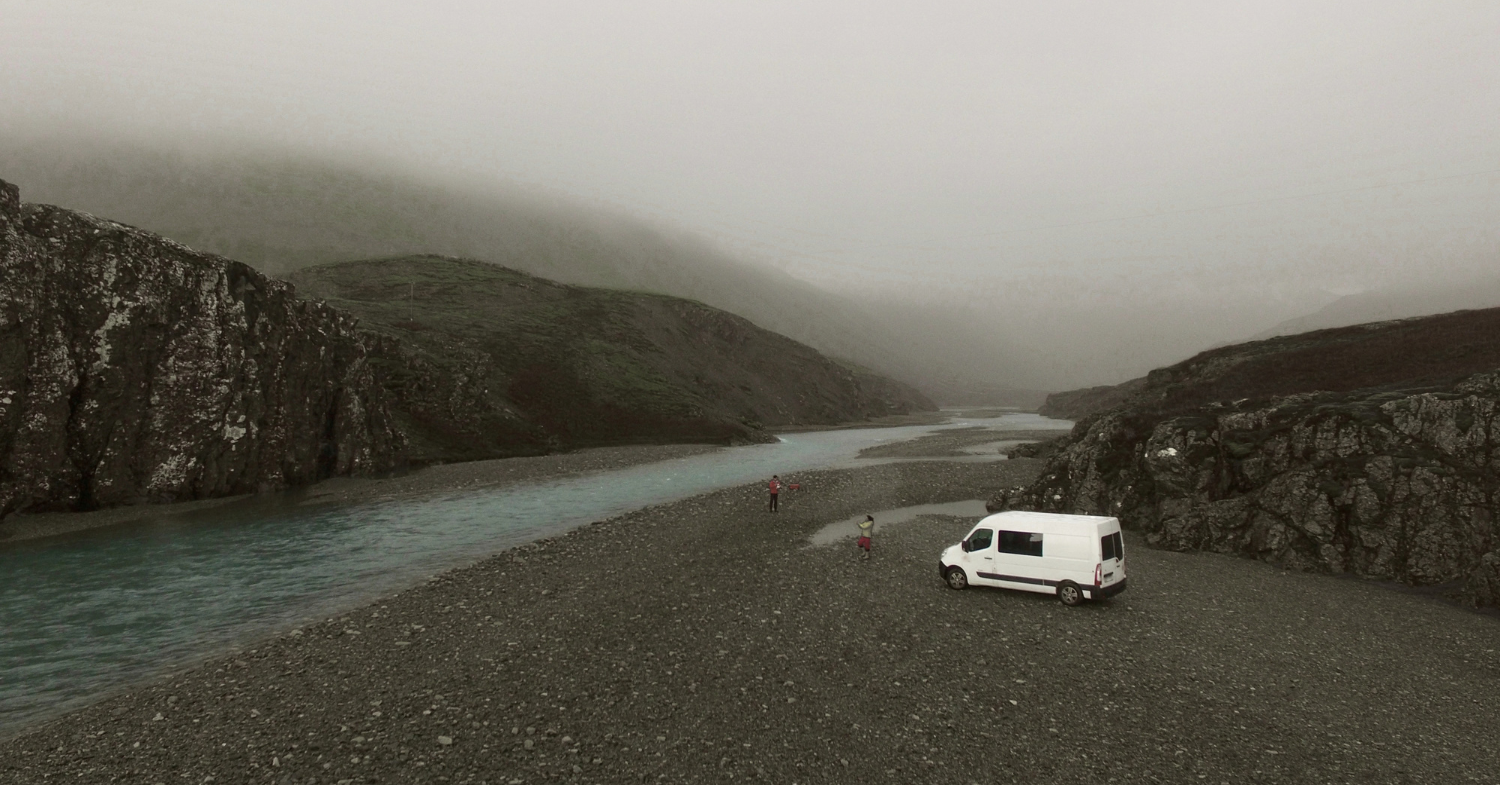
A typical morning on an Iceland campervan road trip is opening your van door and looking out a few hundred feet to see a waterfall pouring off a cliff. Or maybe you see the steam rising from the hot spring you’re about to jump into. These are a few of the many amazing views you will experience when touring the country in a van. Van life in Iceland has become one of the most popular ways to see the country. It is an accessible, convenient, safe, and budget-friendly way to travel.
In this guide, we'll cover why a campervan beats a bus tour, how to rent one, where you can camp, what to pack, and what to expect to pay for your Iceland adventure.
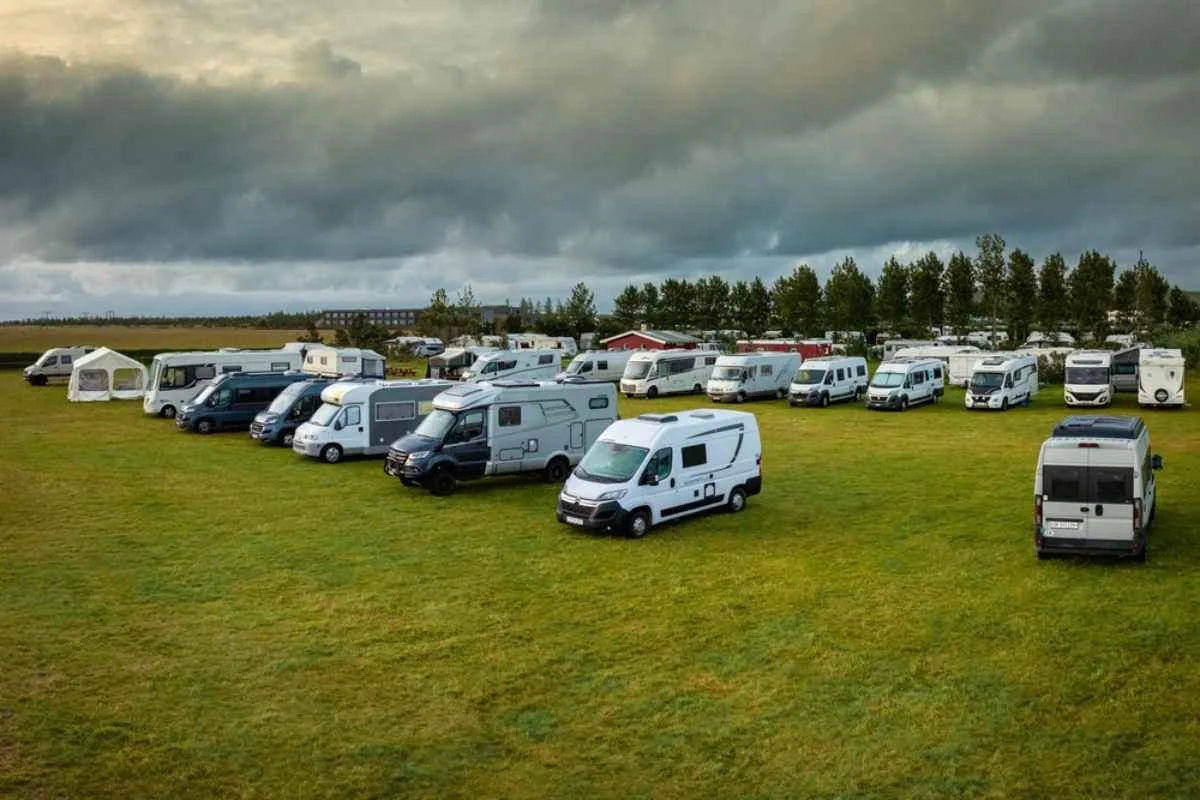
There are many types and sizes of campervans to choose from.
More Possibilities Touring Via Van
A campervan puts you in control of your time and your route. You are not on someone else’s schedule, being herded around with a group of tourists. Here's why so many travelers choose four wheels over a tour bus:
More flexibility. Stay an extra hour at a glacier lagoon, chase a break in the clouds, or pull over when you spot Icelandic horses near the road.
More ground covered. Day tours mostly stay close to Reykjavík. With a van, you can loop the entire Ring Road and detour into the Westfjords or the remote East.
Budget-friendly. Rent a van with a kitchen, and your vehicle doubles as your hotel room and kitchen, which cuts two of the biggest travel costs.
Stay connected. Many rental companies offer Wi-Fi in the van. For example, CampEasy rents built-in unlimited Wi-Fi in its vans.
How to Rent a Campervan in Iceland
Most travelers pick up their van at or near Keflavík Airport, since nearly 99% of visitors arrive through Keflavík. Follow these steps to book the right vehicle:
Book early for summer. July and August are the busiest months, so booking early gives you more choices for the type of van you want.
Choose the right size. Depending on your budget and how long you travel, consider a van slightly larger than what you think you need. A little extra space makes a longer trip more comfortable.
Make sure it has a heater. Nights can turn surprisingly cold even in summer, and a heater can make the difference between misery and comfort. Bring extra blankets, too.
Decide on 2WD or 4x4. If you're sticking to paved roads in summer, a standard van is fine. However, Icelandic law requires a 4x4 camper to drive on the highland F-roads, and four-wheel drive is recommended in winter.
Don't skimp on insurance. Gravel roads and high winds are hard on vehicles. Some companies sell Sand and Ash Protection specifically because wind-blown volcanic ash and sand can badly damage paint and headlights.
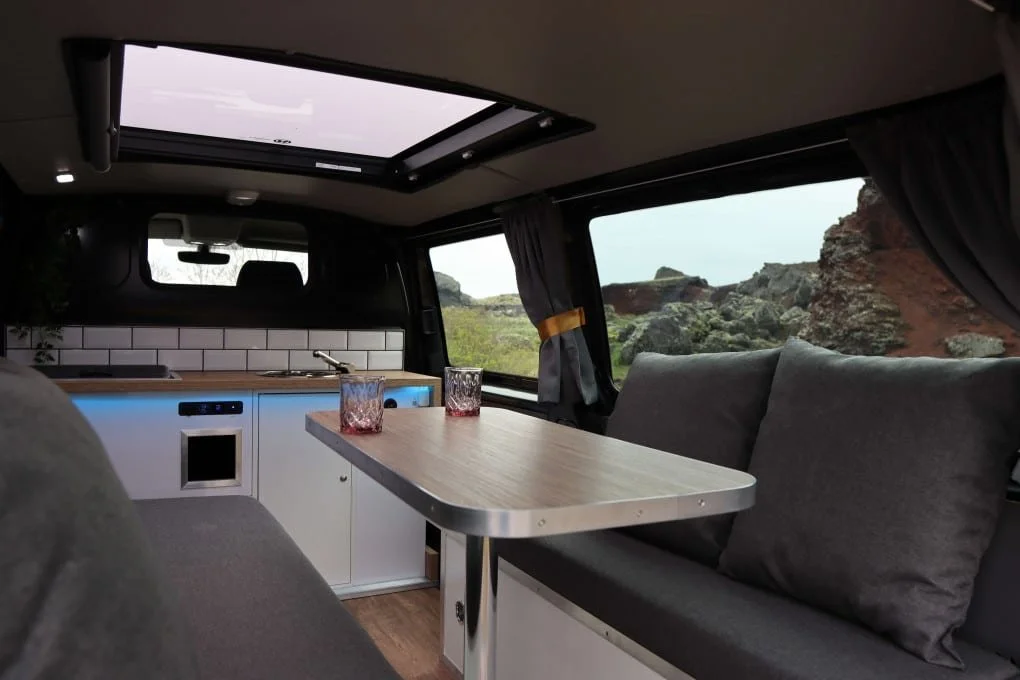
Inside a CozyCampers campervan in Iceland with bed, stove, and sink.
Where Can You Camp in Iceland?
This is the most important thing to know before your trip: you cannot park and sleep wherever you like. Iceland banned overnight stays in camping vehicles outside designated campsites unless the landowner explicitly gives permission. This protects the country’s land, animals, and people.
Why the strict rules? As tourism surged, campervan travelers began leaving trash behind, sleeping on private land, and driving off marked roads, which damaged Iceland's fragile vegetation. Breaking the law isn't worth it, because you can be told to move on in the middle of the night or fined.
The good news is that you'll have plenty of options. Iceland has more than 200 registered campgrounds, so you'll usually find one nearby, even in winter when many close. A handy planning tool is tjalda.is, which lists campsites along with their prices, facilities, and opening dates.
Popular Campsites Around the Ring Road
The Ring Road is a fully paved highway that circles the entire country, connecting major regions while bypassing the central highlands. It is approximately 1,322 kilometers (822 miles) and takes about 20 hours if you drive non-stop. Most people split the drive over many days, which is why a campervan is an excellent way to see Iceland.
Þingvellir (Golden Circle): A convenient first night after leaving Reykjavík. Visitors often complete this one-day trip if they have limited time in Iceland.
Skógafoss (South Coast): A popular waterfall with majestic views, but it sometimes costs more than other campsites.
Vík (South Coast): A great base for Reynisfjara black sand beach.
Skaftafell (Vatnajökull National Park): Hiking trails and glacier views right from camp.
Akureyri (North Iceland): Iceland's second city, and a good jumping-off point for whale watching in nearby Húsavík.
Supplies You'll Need for Your Iceland Van Trip
Many campervan rentals come well stocked. Some have a portable stove, cookware, dishes, an electric cooler, and a sink with running water. Check your van's amenities before you pack so you don't bring duplicates.
Clothing
Iceland's weather can shift from sunshine to sleet quickly, so layers are essential. Also pack bags and towels for wet or dirty clothing to keep your van clean.
A moisture-wicking base layer
An insulating mid-layer (fleece or down)
A windproof, waterproof outer shell
Hiking pants and sturdy waterproof boots
Water shoes for natural hot springs
Van Essentials
A portable power bank for your phone
Packing cubes to keep a small space organized
An eye mask for summer's midnight sun
Easy snacks for long driving days
A sleeping bag, if one isn't included
Safety Resources
Check conditions every morning before you drive. Locals rely on SafeTravel.is and Road.is for up-to-date weather and road information. In an emergency, dial 112.
How to Budget for an Iceland Campervan Trip
Renting a campervan has more variables than a hotel reservation, but bundling your accommodations with your car rental can help keep costs manageable. Here's a breakdown of what to expect in US dollars:
Van rental: Prices vary widely by season and vehicle, and can range from as low as $70 per night for a small vehicle to over $300 for larger motorhomes.
Campsites: Expect roughly $15-20 per person per night, plus an overnight tax per unit.
Camping Card: This pass costs about $200 in 2026 and covers up to 28 nights for two adults and their children, but it only pays off if you stay at participating campsites.
Fuel: Budget around $115 to $155 per 1,000 km. The full Ring Road is slightly over 1,300 km before detours.
New road tax: Since January 1, 2026, Iceland charges a kilometer-based road fee for all vehicles to fund road maintenance. You'll be charged either a flat fee or per kilometer, depending on the rental company.
All in, you will spend about $120 to $250 per person per day, including rental, campsites, fuel, and food. Traveling with a partner helps, since you split the van and fuel costs.
Van Life Lets You Explore Beyond the Postcards
The real magic of a campervan is the freedom to go where the tour buses don't. You can venture out to the coastal mountains, visit small fishing villages, and take your time exploring what interests you.
For an excellent resource guide from a local on where to go and what to bring, read the All Things Iceland guide to solo campervan tips.
For official travel information and up-to-date conditions, including an interactive map, route and adventure suggestions, check out Visit Iceland.
Explore a Changing Iceland in a Van
Iceland is always changing. The country deserves more than a quick stopover to snap a waterfall photo, visit a Game of Thrones filming spot, and take a dip in a hot spring. Visit today, then return in a few years, and you may find brand-new lava fields where none existed before, moving glaciers, new waterfalls, or other natural wonders.
An Iceland campervan road trip gives you time to explore glaciers, fjords, and tiny fishing villages at your own pace. Along the way, talk to locals, learn a few words of Icelandic (takk fyrir means "thank you"), stay at designated campsites, and respect the culture and history that make this island so special.