
How to Eat Well in Europe on a Budget
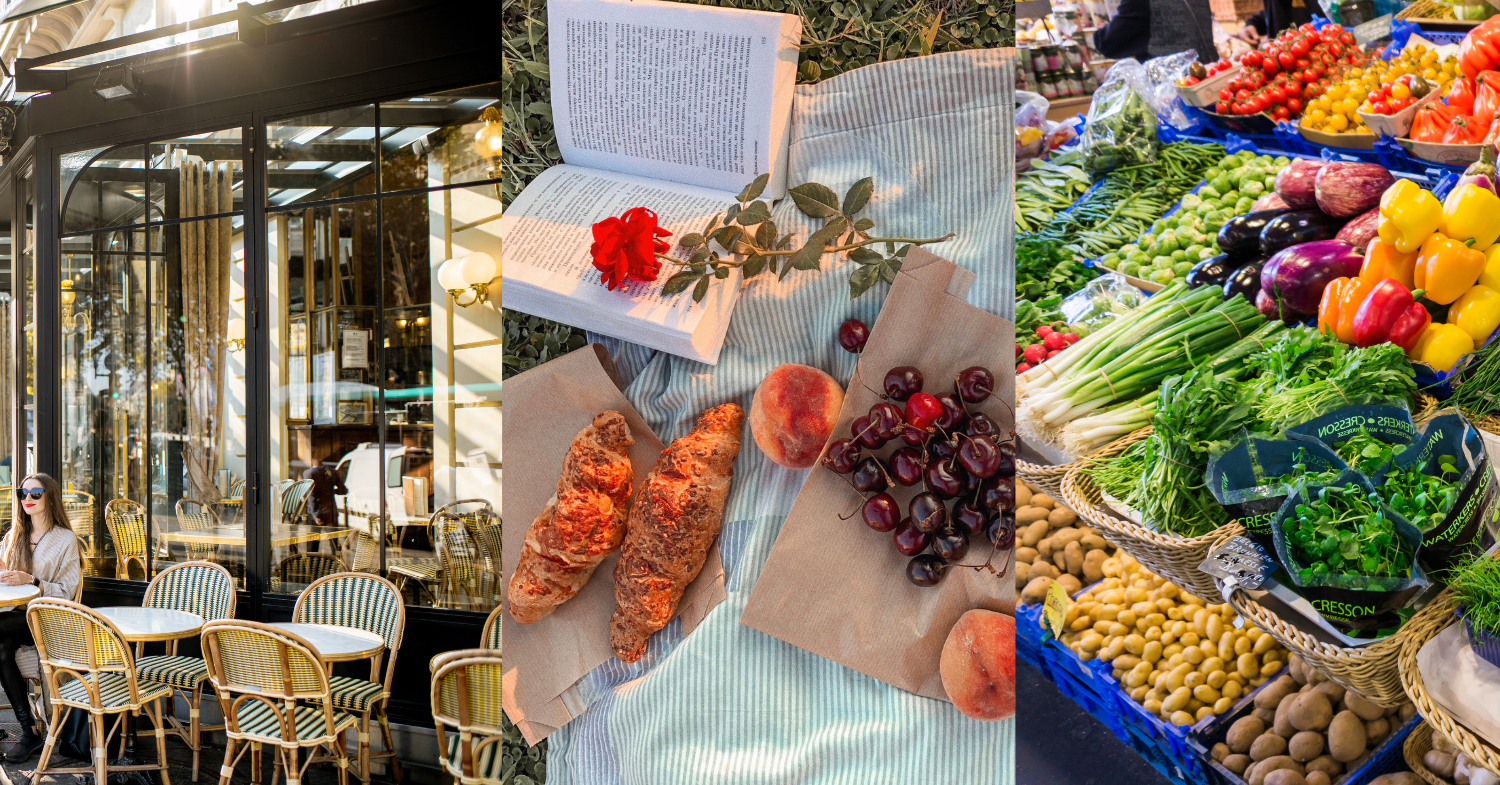
Food is one of the best ways to experience a new culture, but dining out three times a day can quickly drain your travel bank account. Many travelers assume that eating cheap in Europe means settling for fast-food chains or pre-made supermarket sandwiches.
Fortunately, you do not have to sacrifice quality to keep your expenses low. By choosing to eat like a local, you can enjoy incredible regional dishes across the continent without breaking the bank. Here is your ultimate guide to budget food travel, Europe edition.
Smart Strategies for Affordable Dining
Take Advantage of Daily Lunch Specials
In many European countries, lunch is traditionally the main meal of the day. Restaurants often offer fixed-price lunch menus designed for local workers, providing high-quality meals at a fraction of the evening dinner price.
Spain: Look for the Menú del Día. This typically includes a starter, main course, bread, drink, and dessert for a set price, often between €10 and €15.
Central Europe: In places like Prague, Brno, or Vienna, look for the Denní Nabídka or daily lunch menu. These specials feature hearty, traditional meals at significant discounts compared to standard dinner menus.
Strategy: Make lunch your primary sit-down meal of the day, then opt for a lighter, budget-friendly street food or picnic option for dinner.
Master Market Halls and Food Hubs
Local market halls are an absolute goldmine for travelers who want to eat cheap in Europe without high restaurant markups. They offer an authentic look into local culinary culture, fresh regional ingredients, and prepared stalls.
Iconic Food Halls: Spaces like the famous Time Out Market in Lisbon bring together top local vendors and chefs under one roof, making it easy to sample gourmet dishes on a reasonable budget.
Historic Local Markets: Spots like the Central Market Hall in Budapest offer massive, low-cost regional street food, hot meals, and fresh produce, all served straight from local vendors.
Pro Tip: Visit early in the day when market stalls have their full selection of fresh pastries, fruits, cheeses, and cured meats on display.
Everyday Budget Food Hacks
Embrace the European Park Picnic
One of the most enjoyable ways to master budget food travel in Europe is to build your own meals using local grocery stores and bakeries. In cities like Paris, Madrid, or Edinburgh, grabbing fresh food from a neighborhood market and heading to a scenic public park or riverbank is a way of life.
The Staples: Pick up a fresh loaf of artisan bread from a local bakery, a block of regional cheese, some fruit, and sliced meats.
The Savings: A sit-down restaurant lunch for two can easily cost €50 or more, while a high-quality DIY grocery picnic typically costs under €10 total.
Atmosphere: Dining outdoors at a local park or waterfront often offers better views than a crowded, overpriced tourist restaurant.
Hunt for High-Value Street Food and Late-Night Eats
Street food in Europe is fast, delicious, and deeply rooted in local culture. Knowing where to get quick bites between sightseeing stops will save you time and money.
The Late-Night Hero (Döner Kebab): Found in almost every major city across Europe, the Döner Kebab is the ultimate budget traveler staple. It offers a massive portion of seasoned meat, fresh salad, and sauce in warm bread for a reliable, incredible bang for your buck.
Greece: A classic gyro wrapped in warm pita with tzatziki and fresh vegetables remains one of the best food bargains in Europe, usually costing just €3 to €5.
Bakeries: Local bakeries across Europe offer cheap, iconic treats. You can grab a warm Portuguese Pastel de Nata (custard tart), a Spanish empanada, or a Czech pastry for just a couple of Euros.
Navigating Tourist Traps and Smart Tools
Spotting and Avoiding Tourist Traps
To protect your budget, learning where not to eat is just as important as knowing where to go. Overpriced tourist traps often serve low-quality food to unsuspecting visitors.
Avoid restaurants located directly adjacent to major tourist monuments or main squares. Walking just two or three blocks away can cut menu prices in half. Be cautious of places where staff stand outside actively trying to lure passersby into the restaurant. Additionally, restaurants with massive laminated menus translated into six languages, including pictures of every dish, are usually tailored entirely to tourists rather than locals.
Smart Tools for Budget Foodies
To make finding affordable eats even easier, consider using digital tools designed to reduce food costs and waste. The app Too Good To Go connects travelers with local bakeries, cafes, and markets selling surplus fresh food at deep discounts at the end of the day.
For some Prague-specific dining inspiration, check out our insider guide on “Why Prague is Underrated” to discover how cellar bars, local bakeries, and markets fit into a Central European itinerary.
Eating well on a budget in Europe is all about flexibility and curiosity. By trading tourist-centric sit-down spots for vibrant market halls, daily lunch specials, late-night kebab stands, and scenic park picnics, you will not only save money, but you will also experience a far more authentic taste of European life.
